
How to Tell if a Yu-Gi-Oh Card Is Rare (Complete Rarity Guide)
Yu-Gi-Oh cards come in many different rarities, from common cards found in almost every booster pack to extremely rare collector cards worth hundreds or even thousands of dollars.
If you’re opening packs or sorting through your collection, knowing how to identify a rare Yu-Gi-Oh card is an important skill. By looking at a few key features — such as foil patterns, card names, and edition stamps — you can quickly determine whether a card might be valuable.
This guide explains the easiest ways to identify Yu-Gi-Oh card rarities, even if you’re new to collecting.
1. Check the Card Name Foil
One of the quickest ways to identify a rare Yu-Gi-Oh card is by looking at the card name at the top of the card.
Different rarities use different foil styles for the name text.
Typical examples include:
-
Common – plain text with no foil
-
Rare – silver foil card name
-
Ultra Rare – gold foil card name with holographic artwork
-
Secret Rare – rainbow foil name with diagonal holographic pattern
If the card name shines under light, it’s usually a sign that the card is at least Rare or higher.


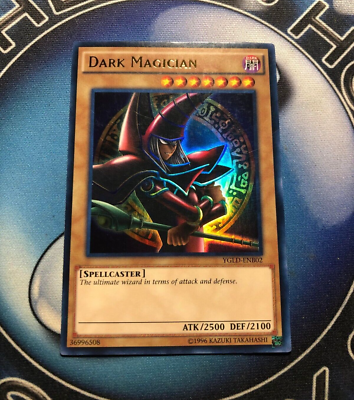
2. Look at the Artwork Foil
Another important indicator of rarity is the foil pattern inside the artwork box.
Higher-rarity cards often include holographic foil that reflects light when you tilt the card.
Examples:
-
Super Rare – holographic artwork but normal card name
-
Ultra Rare – holographic artwork with gold name
-
Secret Rare – diagonal holographic foil across the artwork
If the artwork area shines brightly, the card is almost certainly a rare or higher rarity card.

3. Check the Set Code
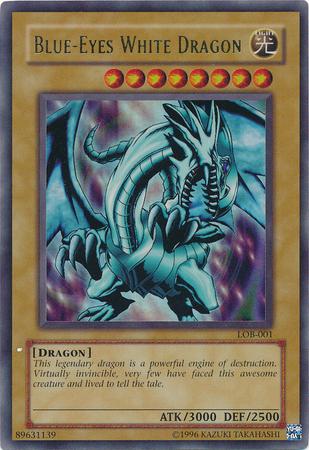
Every Yu-Gi-Oh card includes a set code printed under the artwork. This code tells you which booster set the card came from.
Example set codes look like this:
SDY-006
PGLD-EN001
The first letters represent the set name, while the numbers show the card’s position in that set.
Some early sets — especially from the early 2000s — contain very valuable cards. For example:
-
LOB – Legend of Blue Eyes White Dragon
-
MRD – Metal Raiders
-
DDS – Dark Duel Stories promotional cards
Cards from these sets can sometimes be extremely collectible.


4. Identify Special Rarity Patterns
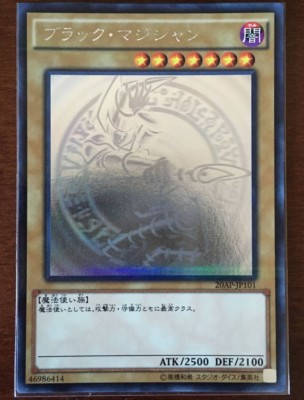
Some Yu-Gi-Oh cards have unique foil patterns that represent special rarities.
These rarities are often much harder to pull from booster packs and are popular with collectors.
Examples include:
-
Ghost Rare – ghost-like reflective artwork
-
Starlight Rare – sparkling foil covering the entire card
-
Ultimate Rare – textured card surface
-
Quarter Century Secret Rare – special anniversary holographic pattern
These rarities are among the most valuable pulls in modern Yu-Gi-Oh sets.


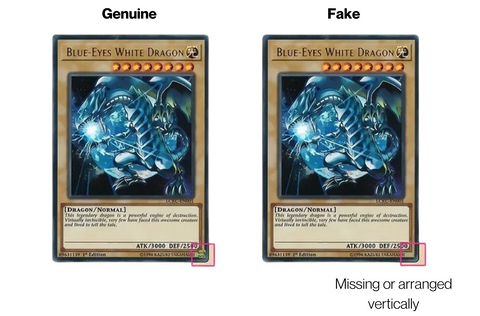
5. Look for the First Edition Stamp
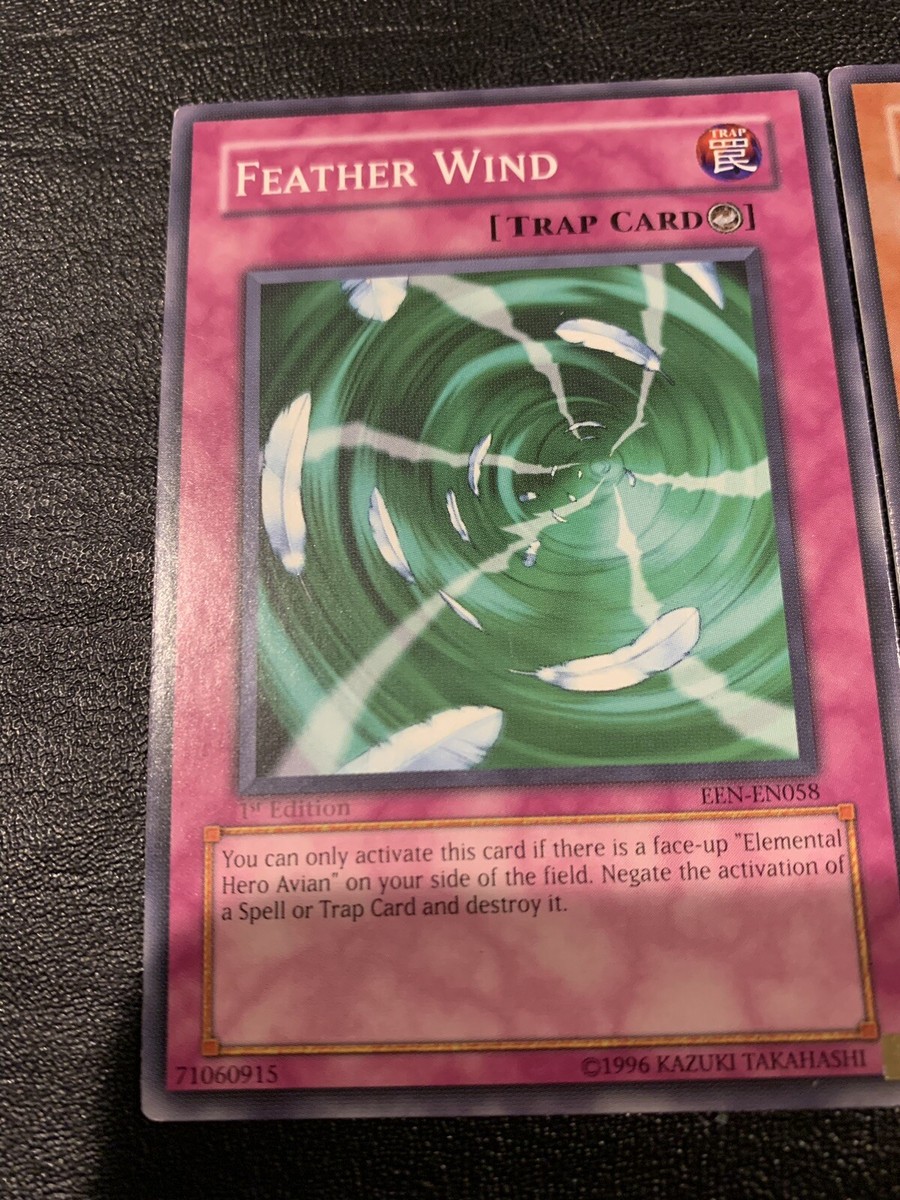
Another key indicator of rarity is the First Edition stamp.
Cards from the first print run of a set include a small label that reads:
“1st Edition”
Collectors often prefer first edition cards because they represent the earliest printing of a card. In many cases, first edition cards can be worth significantly more than unlimited versions.

6. Condition Also Affects Value
Even if a card is rare, its condition plays a huge role in its value.
Collectors generally look for cards that are:
-
Near mint or better
-
Free of scratches
-
Clean corners and edges
-
Properly centered
Many high-value Yu-Gi-Oh cards are graded by professional grading companies such as PSA or Beckett, which authenticate the card and assign it a condition score.
A perfectly graded card can sometimes be worth many times more than an ungraded version.
Quick Signs a Yu-Gi-Oh Card Might Be Rare
If you want to quickly check a card, look for these features:
-
Foil card name
-
Holographic artwork
-
Unique foil patterns
-
Early set codes
-
First edition stamp
-
Special rarities like Ghost Rare or Starlight Rare
The more of these features a card has, the more likely it is to be valuable.
Final Thoughts
Learning how to tell if a Yu-Gi-Oh card is rare makes collecting far more exciting. Whether you’re opening booster packs or going through older cards, recognising rarities helps you spot potential treasures instantly.
With new rarity types and collector features being introduced regularly, the world of Yu-Gi-Oh collecting continues to grow — making it one of the most exciting trading card hobbies today.