
Yu-Gi-Oh Card Rarities Explained (Complete Collector Guide)
Yu-Gi-Oh! cards come in many different rarities, each featuring unique foil patterns, textures, and visual effects. While common cards appear frequently in booster packs, higher rarities are printed less often and are typically more valuable for collectors.
Understanding Yu-Gi-Oh card rarities helps players and collectors identify valuable pulls when opening packs or sorting through their collections.
This guide explains the most important Yu-Gi-Oh card rarities and how to recognise each one instantly.
Common


Common cards are the most frequently printed cards in Yu-Gi-Oh sets.
Features of Common cards:
-
No holographic foil
-
Plain card name text
-
Standard card surface
While most commons have low value, some older commons from early sets can still be collectible.
Rare

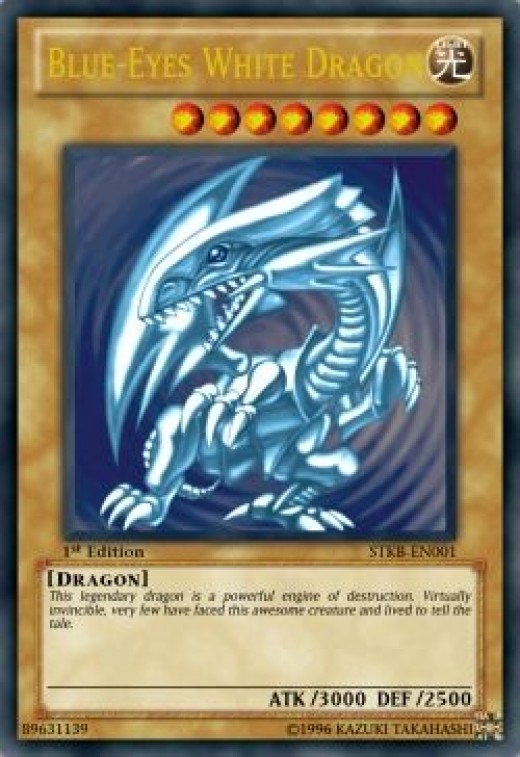

Rare cards are the first upgrade in rarity.
How to identify a Rare card:
-
Silver foil card name
-
No holographic artwork
These cards appear more frequently than higher rarities but are still considered special pulls in many booster packs.
Super Rare


Super Rare cards introduce the first holographic foil effect.
Key features:
-
Holographic artwork
-
Normal (non-foil) card name
Super Rares are common highlights when opening booster packs.
Ultra Rare
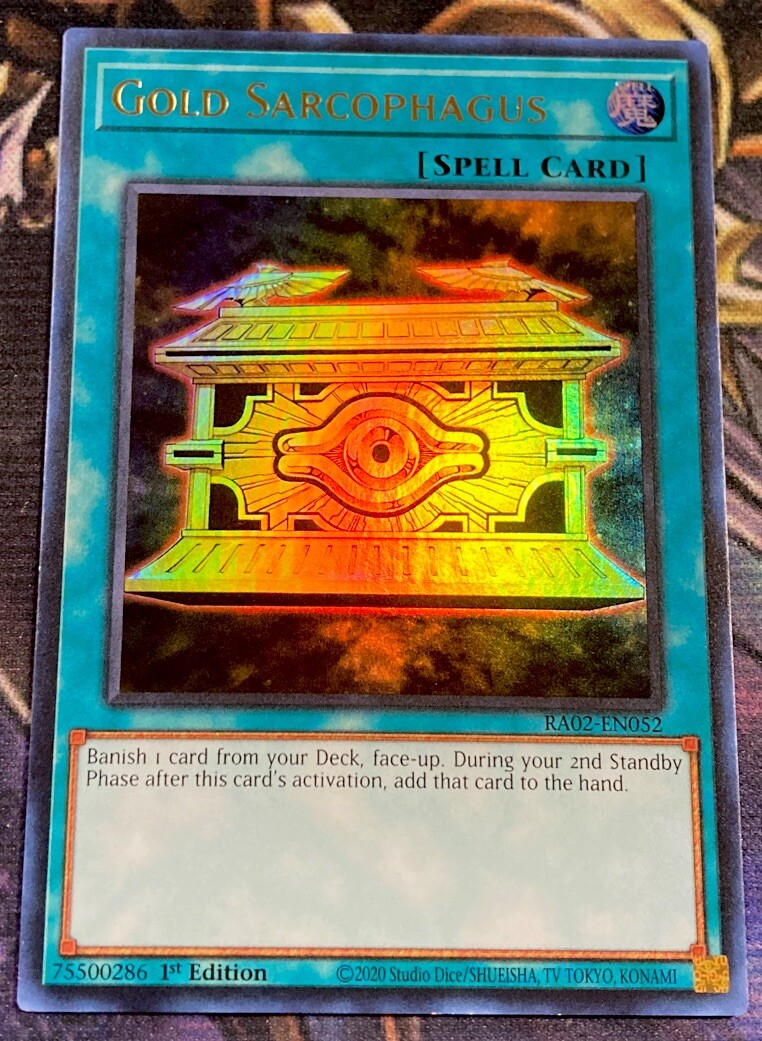

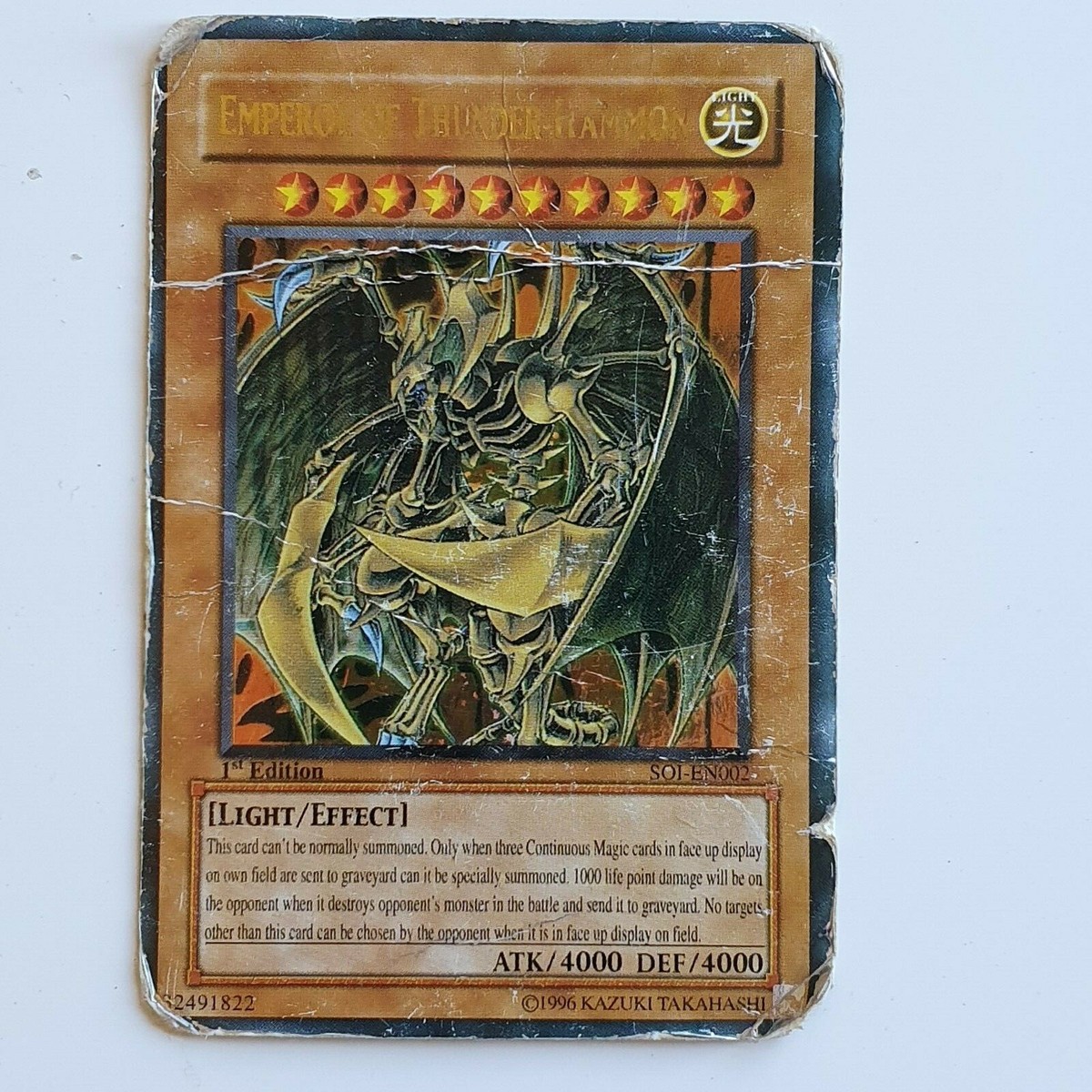
Ultra Rare cards combine multiple foil effects.
They feature:
-
Gold foil card name
-
Holographic artwork
Ultra Rares are often reserved for important cards in a set, including powerful monsters or key spells.
Secret Rare


Secret Rare cards are one of the most recognisable Yu-Gi-Oh rarities.
Features include:
-
Rainbow foil card name
-
Diagonal holographic foil pattern across the card
These cards are significantly harder to pull and are highly sought after by collectors.
Ultimate Rare


Ultimate Rare cards are known for their distinct textured surface.
Unique characteristics include:
-
Raised artwork
-
Textured card borders
-
Foil integrated into the card design
Ultimate Rares were especially popular in older Yu-Gi-Oh sets and remain highly collectible.
Ghost Rare
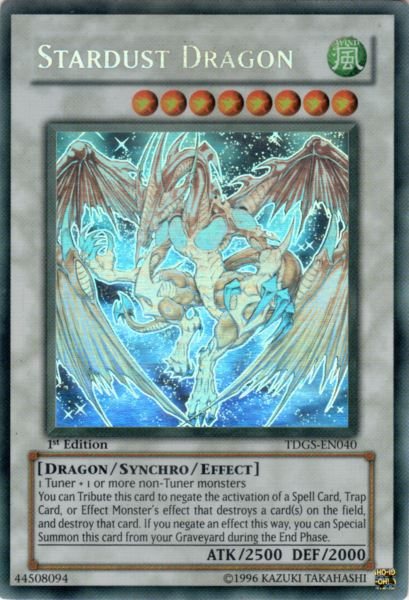
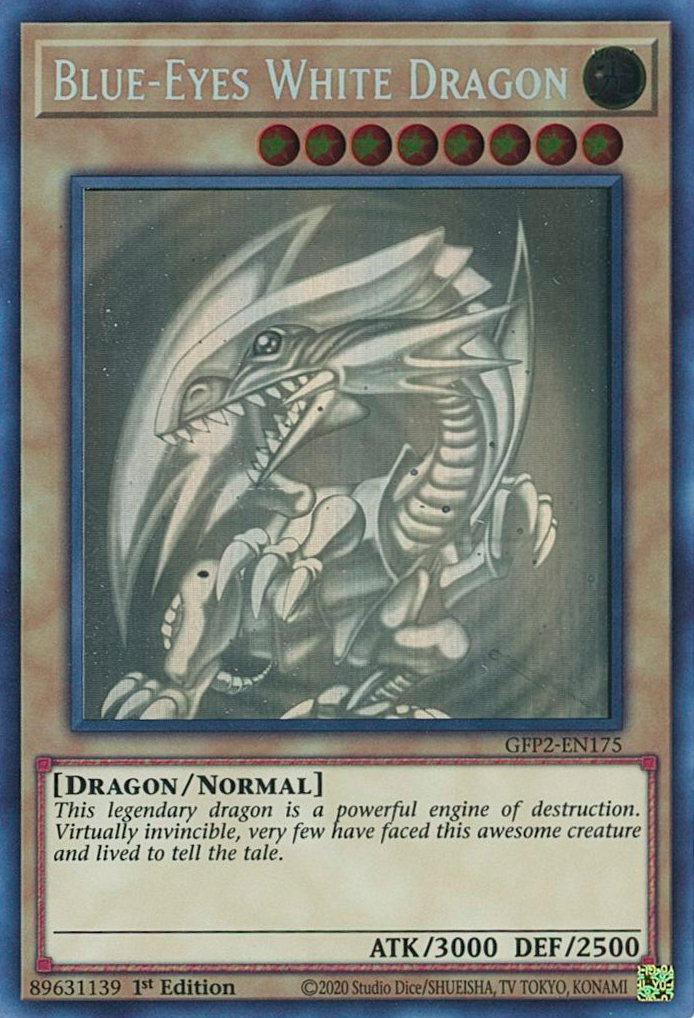

Ghost Rare cards feature one of the most unique visual designs in Yu-Gi-Oh.
Key features include:
-
A ghost-like reflective image
-
Extremely shiny holographic surface
-
Artwork that appears faint unless viewed at an angle
Ghost Rares are among the most collectible Yu-Gi-Oh cards ever printed.
Starlight Rare


Starlight Rare cards are one of the most valuable modern rarities.
They feature:
-
Sparkling foil across the entire card
-
Extremely low pull rates
-
Highly detailed artwork
Pulling a Starlight Rare from a booster pack is considered one of the best possible pulls in modern Yu-Gi-Oh sets.
Quarter Century Secret Rare


Introduced to celebrate Yu-Gi-Oh’s 25th anniversary, Quarter Century Secret Rares quickly became collector favourites.
Features include:
-
Special anniversary holographic pattern
-
“25th Anniversary” stamp on the card
-
Limited appearances in certain sets
These cards combine collectibility with historical significance for the franchise.
Why Yu-Gi-Oh Rarities Matter
Card rarities affect several aspects of the game and collecting.
Pull Rates
Higher rarity cards appear less frequently in booster packs.
Collector Demand
Popular monsters such as Blue-Eyes White Dragon, Dark Magician, and Red-Eyes Black Dragon become especially valuable when printed in higher rarities.
Value
Rare cards — especially graded copies — can become extremely valuable collector items.
Final Thoughts
Yu-Gi-Oh card rarities are a major part of what makes opening booster packs so exciting. From simple commons to ultra-rare collector pieces, every rarity adds its own unique style and collectibility to the game.
As Konami continues to introduce new foil designs and rarity types, the Yu-Gi-Oh collecting scene keeps growing and evolving.
Whether you’re a casual player or a serious collector, understanding rarities helps you identify valuable cards and appreciate the design of the game even more.